
Why Technical SEO Is the Backbone of Long-Term Organic Growth
Most conversations about SEO start with keywords and content calendars. That's understandable — content is visible, shareable, and easy to point to as "the work." But before a single blog post can rank, before a single keyword can convert into traffic, a website has to be technically capable of being crawled, indexed, and understood by search engines. That's the part nobody talks about at dinner parties, and it's the part that determines whether everything else you do actually pays off.
What technical SEO actually means
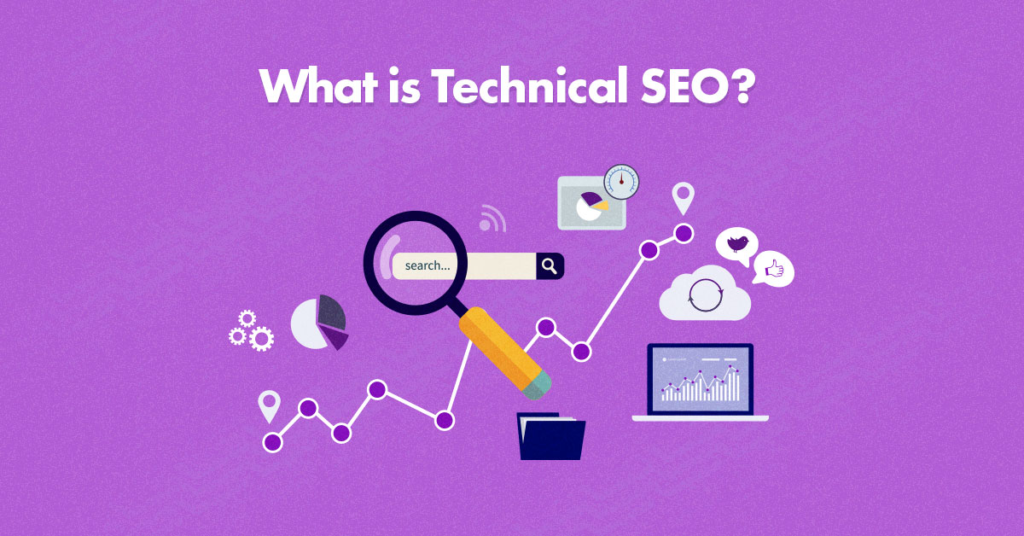
Technical SEO is the plumbing behind a website's visibility. It covers how fast your pages load, whether search engine bots can crawl your site without hitting dead ends, whether your URL structure makes sense, whether your site correctly tells Google which page is the "real" version when duplicates exist, and whether your mobile experience is fast and usable. None of this is glamorous. But every one of these factors directly affects whether your content ranks at all.
I learned this firsthand while working on a technical SEO audit and remediation project. After identifying and fixing a set of core issues — slow load times, broken internal linking, missing structured data, inconsistent canonical tags — organic traffic increased by roughly 30% over the following months. Not from new content. From fixing what was already broken.
Page speed is not a "nice to have"
Google has been explicit for years that page speed is a ranking factor, but the more immediate cost is behavioral. Users don't wait. Fixing this usually isn't about one dramatic change — it's compressing images properly, reducing unnecessary scripts, and making sure your hosting can handle your traffic.
Crawlability: if Google can't find it, it doesn't exist
A clean site structure — logical categories, clear internal links, an updated XML sitemap — makes it easy for search engines to find and prioritize your best pages. Structure isn't decoration; it's a map you're handing to Google.
Structured data: helping search engines understand context
Structured data (schema markup) labels your content so search engines understand exactly what it is. It dramatically improves how your listing appears in search results — star ratings, FAQ dropdowns, breadcrumb trails.
Why this matters more as your site grows
Technical SEO issues are forgiving when a site is small. They become expensive as a site scales. If there's one thing I'd want a business owner to take away from this, it's that SEO isn't only a content problem. Sometimes the highest-leverage work you can do isn't writing something new — it's fixing what's already there.